Grid capacity secured at high and medium voltage through long-standing relationships with the network, sized for expansion from day one.
Powering the digital Italy of tomorrow
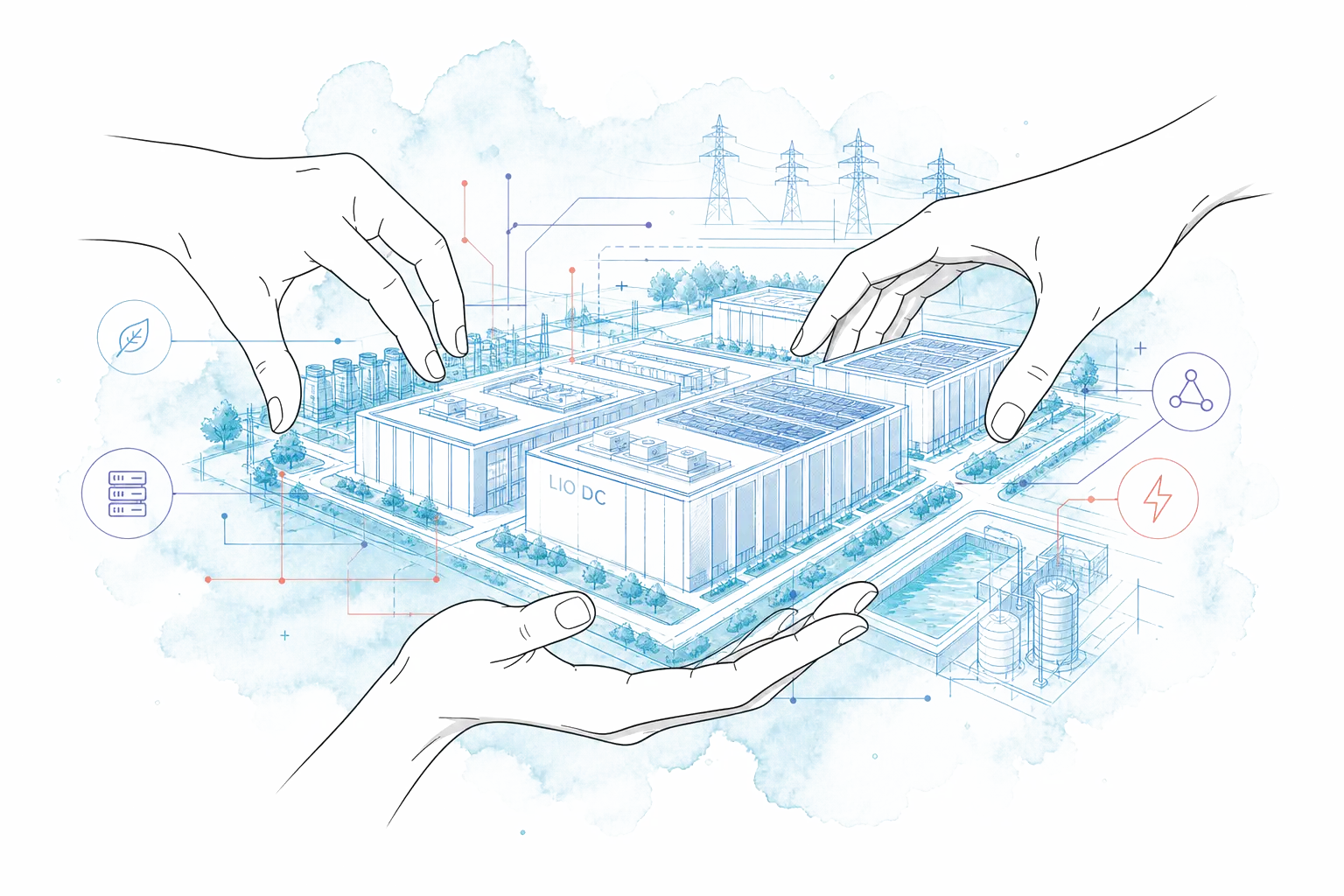
Lio DC brings mission-critical digital infrastructure to market: data center campuses shaped by power, permitting, connectivity and land.
THE MOMENT
Every revolution needs its infrastructure
More data has been created in the last three years than in all of history before them. Every industrial revolution ran on infrastructure someone had to build first. Steam needed canals and rail. Electricity needed grids. The internet needed fibre. The fourth industrial revolution — artificial intelligence, and the computation behind it — runs on data centers.
These are mission-critical buildings in the strictest sense: the factories where intelligence is trained and served, engineered for continuous operation and measured in megawatts.
The economics are older than the technology. Growth has three inputs — labour, capital and technology — and for two centuries the first grew only as fast as demography allowed. AI changes the equation: for the first time, technology can manufacture working hours, turning power and silicon into labour. That is why the world's largest companies are building at this pace, and why the demand endures: every efficiency gain makes intelligence cheaper, and cheaper intelligence gets used more. Jevons saw it in coal; it holds in compute. The two equations here say the same thing in shorter form.
And the scarcity has moved. The competence to build data centers is abundant. Land can be found. What is scarce is power: grid capacity, delivered where and when the machines need it. That is why Lio DC begins every project at the grid: power first, secured through long-standing relationships with the network, then everything else.
Legacy European Markets (Frankfurt, London, Amsterdam, Paris, Dublin) have run out of room: connection moratoria in some, multi-year waits in the rest, power rationed before a building is drawn. Across the continent, the grid-connection requests now queued approach Europe's entire existing power demand. That capacity has to land somewhere, and Europe has two answers, each winning for a different reason. The Nordics win on cost per megawatt. Northern Italy — Milan and Turin — wins on everything around the megawatt: power still available, one of the Mediterranean's principal landing points for submarine cable and fibre, room for both training and inference, and a connection process that follows published rules. What Italy has lacked is prepared ground. Lio DC exists to prepare it. Lio DC aims to play its part by acting as a bridge for the international investors — infrastructure funds and data center operators — looking to enter the Italian market.
ΔGDP = ΔTechnology + α·ΔCapital + (1−α)·ΔLabour SOLOW, 1956
Growth accounting, after Robert Solow. An economy grows through technology, capital and labour, and labour carries the largest weight, (1−α). For two centuries ΔLabour moved only as fast as demography allowed. AI is the first technology that grows ΔLabour itself: data centers turn capital and power into working hours. Today's infrastructure spending is that equation, priced.
|ε| > 1 ⇒ efficiency ↑, consumption ↑ JEVONS, 1865
Jevons' paradox. When demand is elastic, efficiency gains lower the cost per unit and total consumption rises. Cheaper intelligence gets used more: demand for compute compounds instead of shrinking.
ANATOMY OF A SITE
What makes land become a campus
A data center campus is decided years before construction, by the questions asked of a piece of land. Six answers make a site ready:
Every site carries a clean-energy strategy, arranged inside the group: long-term PPAs, or hybrid solutions pairing solar generation with battery storage.
Fibre routes and latency measured before the first drawing, for the workloads the site will actually serve.
Cooling strategy resolved with the resource constraints of the specific location.
Control of the plots, the accesses and the room to grow.
Projects endorsed by the municipalities and communities that host them: permission earned, on paper and in person, and repaid in jobs, local infrastructure and a stronger tax base.
Only when all six answers hold does Lio DC call a site ready to build.
WORKLOADS
Different workloads, different ground
Training a model, serving an answer in real time, running enterprise cloud, hosting sovereign data: each workload asks something different of its infrastructure. Some live on latency and belong near their users; some live on power and belong where scale is possible.
Lio DC develops for that whole spectrum: metro sites for the latency-sensitive, and large campuses beyond the metros, where power and land allow the sheer scale that training and heavy compute demand. The workload defines the site. The site is chosen accordingly.
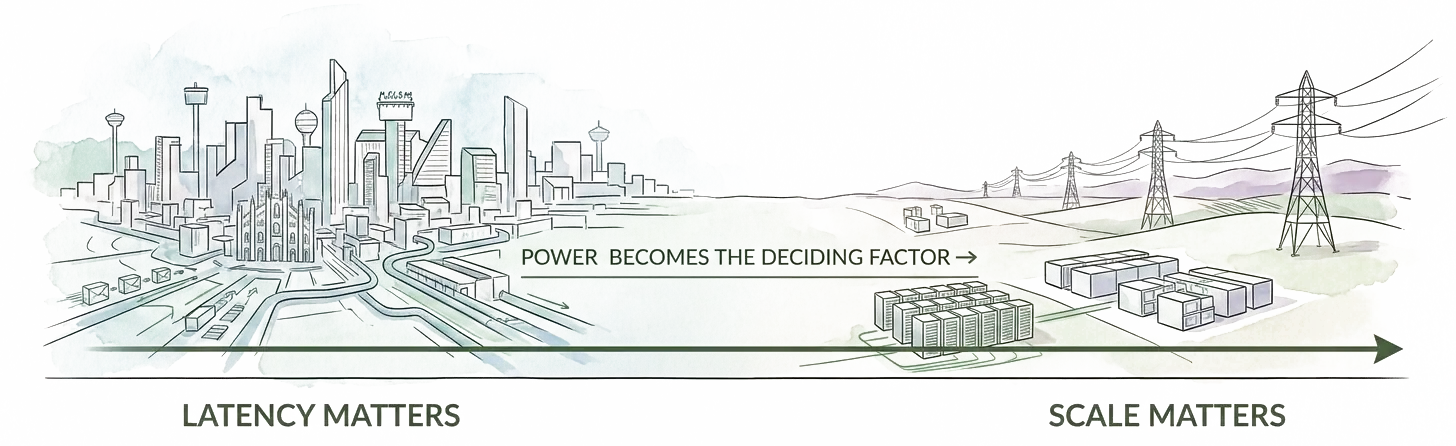
The geography follows the same logic. The core of the portfolio sits in the Greater Milan metro area — where the hyperscalers' availability zones and the Milan Internet Exchange already operate — with the emerging Piedmont region carrying the campuses built for scale. Italy is the core, and the approach travels: Lio DC evaluates selected opportunities across the rest of Europe where the same power-first logic applies.
HOW IT REACHES THE MARKET
Ready to build — and beyond
In the data center ecosystem, colocators operate buildings, hyperscalers operate clouds, and developers prepare the ground. Lio DC is the developer.
It enters early, when a site is still a set of open questions, and does the slow work: de-risking, permitting, securing power, fibre and water to institutional standard. At ready-to-build, three roads open. The site is sold. Or it passes to a data center operator or an investment fund. Or Lio DC builds together with them: joint development, long-term operation, build-to-lease, shaped around your requirements. Whichever road, the operator gets the same thing: speed. The slow years happen before you arrive.
CONNECTION REQUESTPERMITSREADY-TO-BUILD
INSIDE THE GROUP
Clean power, arranged in-house
Most of a campus’s power arrives from the grid: capacity secured at high and medium voltage through long-standing relationships with the network.
Lio Energy adds the clean layer: long-term PPAs from its own development pipeline, and behind-the-meter solutions: private wire from neighbouring plants, generation and storage on site.
Green power is arranged inside the group, before an operator ever asks.
Grid knowledge flows both ways: what Lio Energy learns about connection, Lio DC uses in site selection.
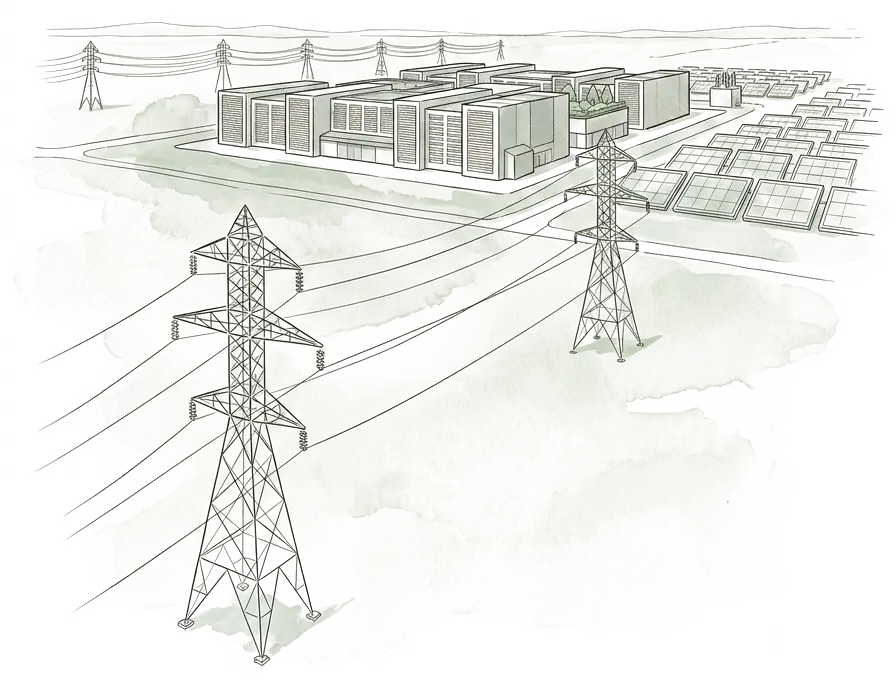
“A campus is a thousand answered questions wearing one address. Our job is answering them first.”
LUCA MARINI · CEO, LIO DC
Meet the team
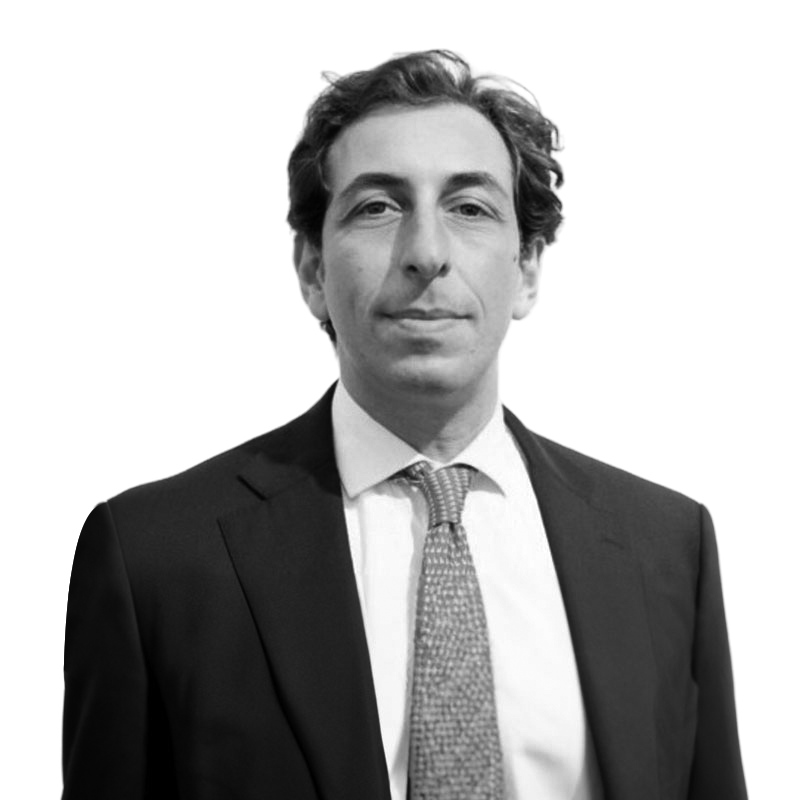
CEO
Luca Marini
Luca has been running Lio DC since its inception in 2023. Previously in private equity (L Catterton, Xyence) and management consulting (Bain & Company). MBA from Harvard Business School
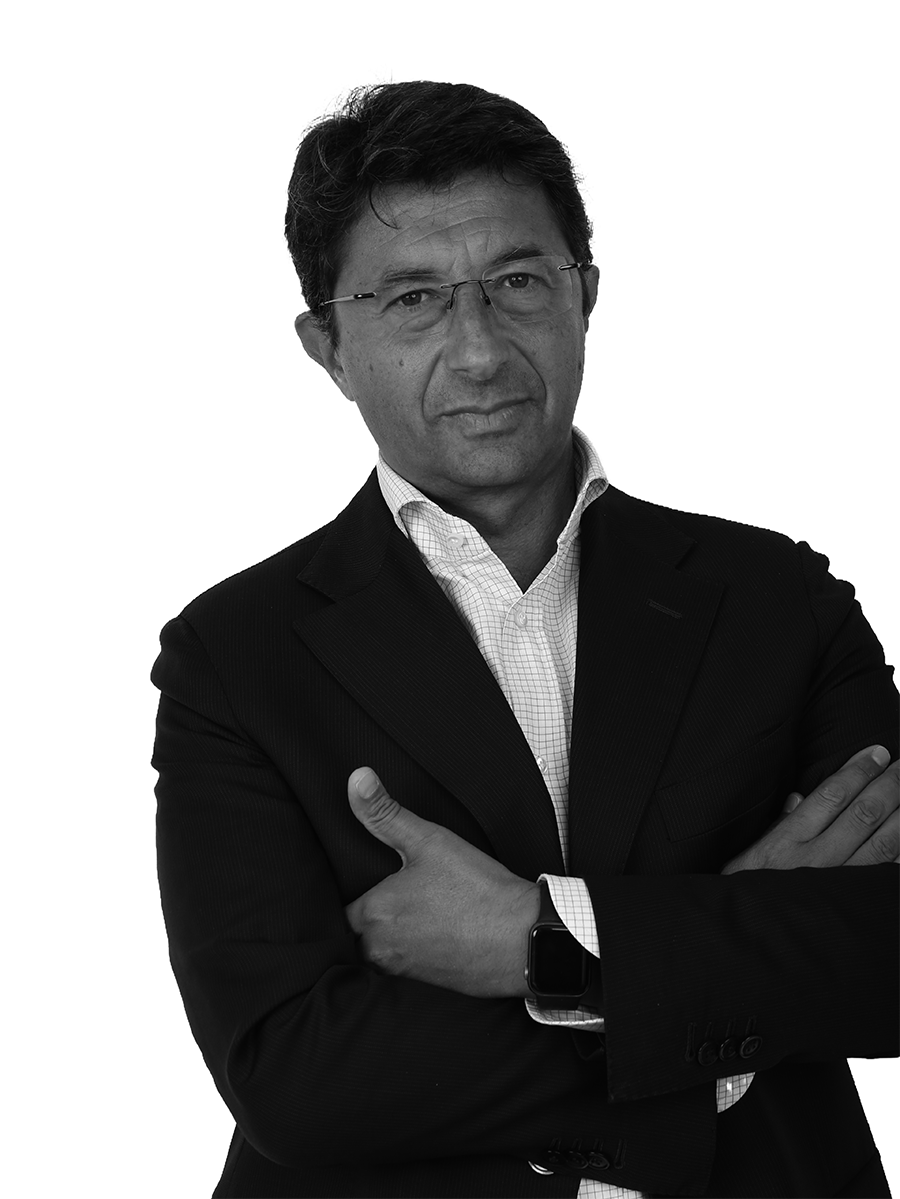
Head of Development
Carlo Masseroli
Carlo has been part of Lio since 2026. Former CEO at Green Soul, CEO at Nhood Services Italy and City Executive at Arcadis. Management Engineering graduate from Politecnico di Milano
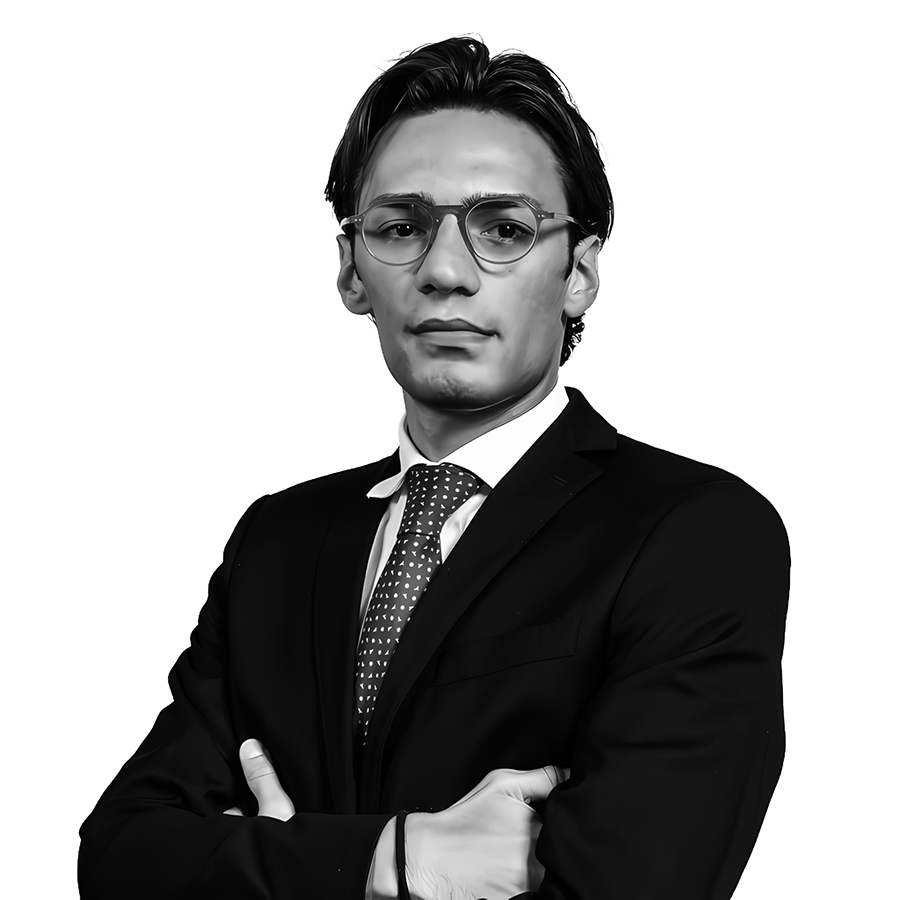
Vice President
Tommaso Cibrario
Tommaso has been part of Lio since 2021, first in Lio Capital and more recently in Lio DC. Prior to this, he had experience at Morgan Stanley and Lazard. Business Administration and Management cum laude graduate from ESCP
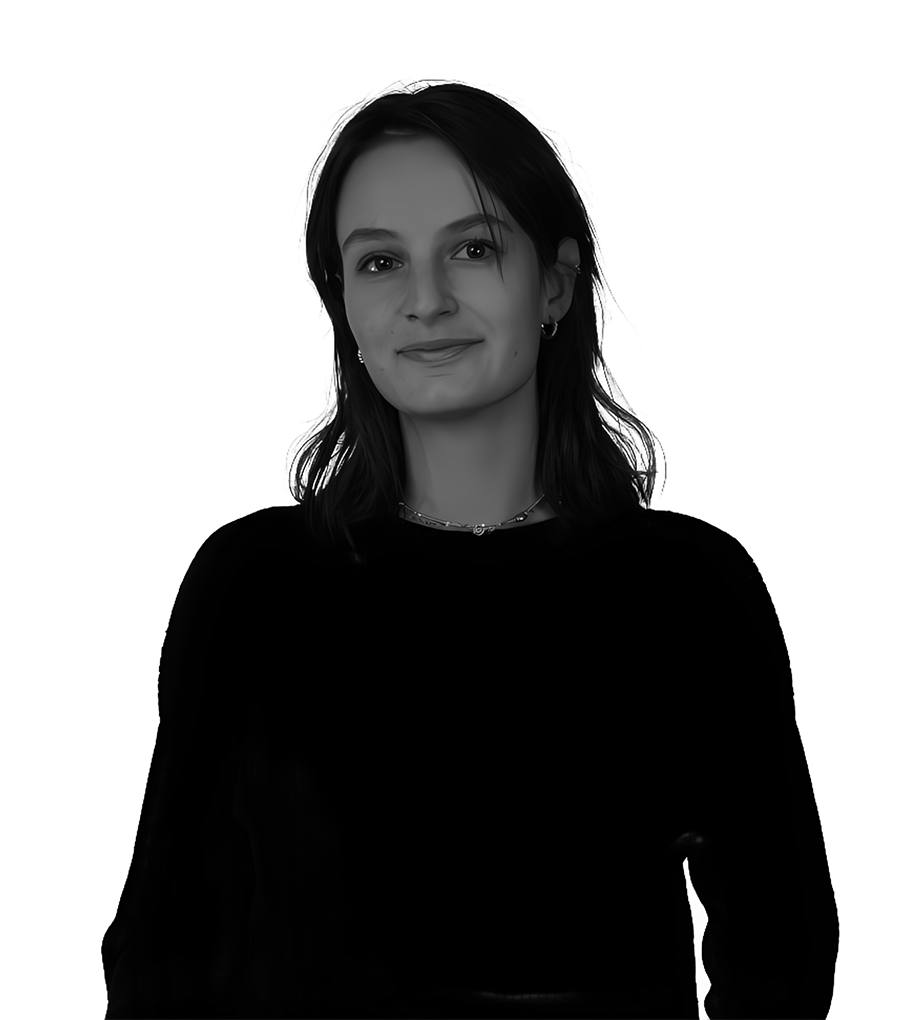
Associate
Francesca Cioccarelli
Francesca has been part of Lio since 2025, first in Lio Energy and more recently in Lio DC. Former Venture Builder and Venture Analyst at PoliHub. Prior to this, she had experience at C2Partners. Management Engineering cum laude graduate from Politecnico di Milano
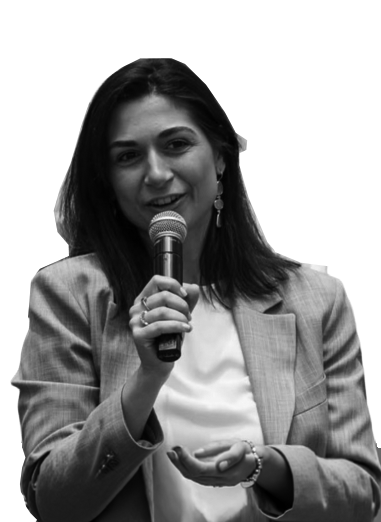
Associate
Valeria Lancasteri
Valeria has been part of Lio since 2026. Former Investment Banking Analyst at Rothschild & Co. Prior to this, she had experience at TOD’S Group and KPMG. Administration, Corporate Finance and Control graduate from Bocconi University
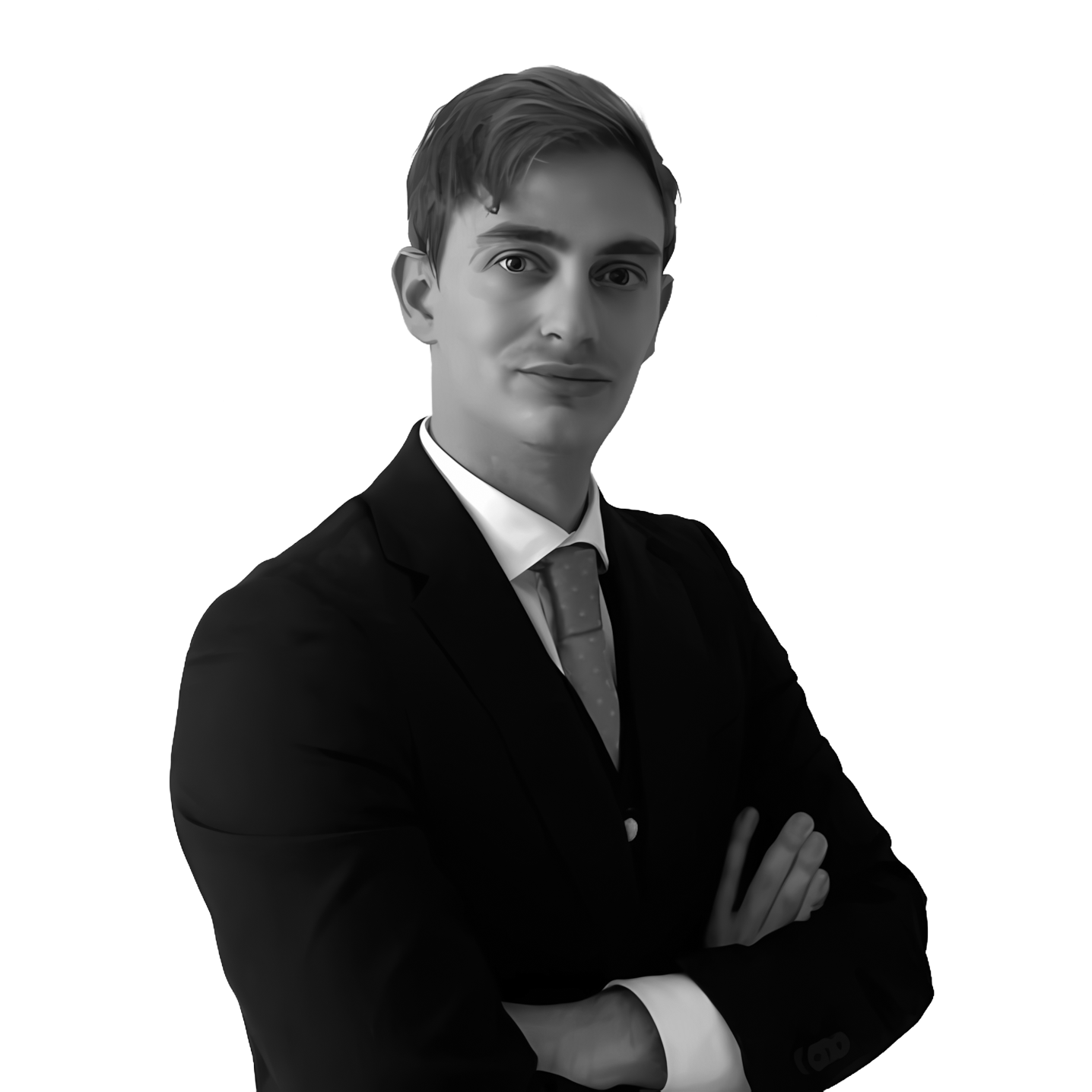
Associate
Davide Cianni
Davide has been part of Lio since 2023, working on both Lio DC and Lio Energy teams. Prior to this, he had experience at Generali. Management Engineering cum laude graduate from Politecnico di Milano